Learn the causes of wet timing belt degradation, how to diagnose PureTech and EcoBoost BIO systems, and the mandatory steps for safe, long‑term repairs.
Wet timing belt technology, also known as Belt-In-Oil (BIO) systems, has transformed modern engine design by reducing friction and improving thermal efficiency. However, these systems demand an extremely rigorous maintenance protocol to prevent catastrophic engine failure. In this article, we address the root causes of belt degradation, how to perform effective diagnostics based on engine architecture, and the mandatory steps for a professional, reliable repair.
1. Common Causes of Wet Timing Belt Degradation
The integrity of a wet timing belt depends critically on the chemical stability of the lubricant. Belt-In-Oil (BIO) systems are susceptible to a multi-factorial degradation process that can vary significantly based on vehicle usage:
-
Fuel Contamination:
The primary enemy is oil dilution caused by unburnt gasoline, which chemically attacks the HNBR rubber compound of the belt.
-
Incorrect Oil Use:
Use only lubricants that strictly comply with the OE-recommended standards. Non-compliant oils lack the specific additives required to protect the rubber in Belt-In-Oil systems.
-
Failure to Follow Service Intervals:
Respecting the OE-recommended maintenance intervals is vital; over time, the oil loses its protective properties and becomes aggressive toward the rubber.
-
City Driving and Short Trips:
Frequent stop-and-go cycles or failing to reach optimal operating temperature lead to higher fuel-to-oil dilution, directly attacking the wet timing belt.
-
Interrupted GPF Regenerations:
In engines equipped with a Gasoline Particulate Filter (GPF), post-combustion injections for regeneration can end up leaking into the crankcase, especially if the process is repeatedly cut short, accelerating oil degradation.
2. How to diagnose wet timing belt wear
A regular check during every oil service is essential for any wet timing system. The diagnostic process must always begin with reading ECU fault codes to detect oil pressure anomalies or malfunctions in the Variable Valve Timing (VVT) system.
Critical Diagnostic Differences
-
Stellantis PureTech Engines:
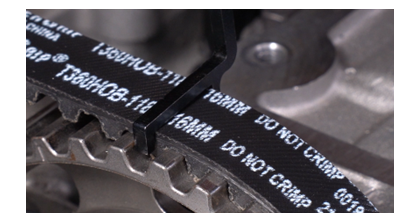
Inspection is possible thanks to visual access. The belt must be checked using the specific width measurement tool (GAT5249) through the oil filler neck while the engine is warm.
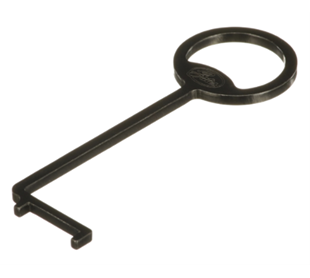
The belt can stay in service if:
- The measurement tool fits correctly over the belt
- There are no visible cracks
- No ECU fault codes indicate oil‑pressure issues
- NON‑COMPLIANT Result:
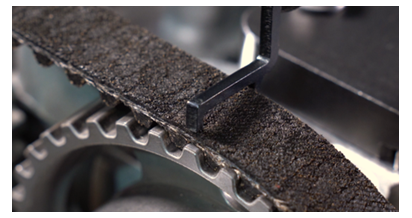
- The system must be replaced and cleaned if:
- The measurement tool does not fit (indicating the belt has swollen)
- There are ECU fault codes related to low oil pressure
![]()
This method is not valid for Ford engines, as there is no visual access to the belt from the outside. Furthermore, the EcoBoost system uses up to three different belts with varying widths, which prevents the use of a standard control gauge. Prevention in Ford relies strictly on adherence to service intervals and monitoring oil pressure.
3. Mandatory Repairs in the Belt-in-Oil System
If the system check is NON-COMPLIANT, it is imperative to inspect, clean, and/or replace the following critical components:
-
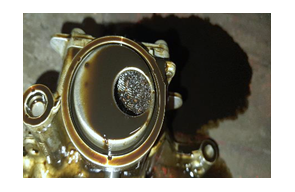
Oil Pump Strainer:
This is the primary point of obstruction. Check if it is partially or totally blocked. Clean or replace as necessary.
-
Vacuum Pump Filter:
Check the pump's oil filter. If it is obstructed, the complete vacuum pump must be replaced.
-
Engine Wear:
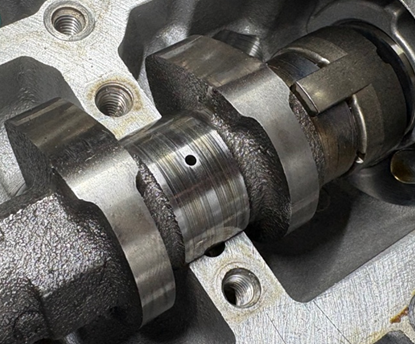
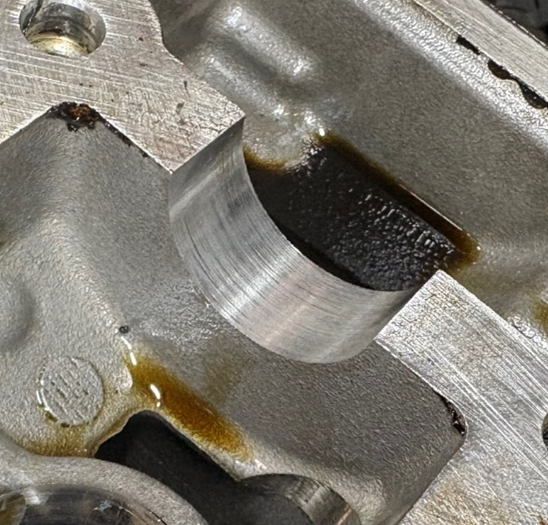
Following the OE description and procedure, check the condition of the camshaft bearings. If they do not meet the O.E. manufacturers prescribed tolerances, an engine replacement will be necessary.
-
Variable Valve Timing (VVT):
Remove both solenoids and inspect their filters. If obstructed, clean them with suitable products (do not use pressurized air), in case of Eco-Boost engine, replacing the VVT Cam-Phaser is required since the VVT solenoid have not filter, so belt particles will internally block the Cam-Phaser.
-
Oil Pump Solenoid Valve:
Disassemble and clean.
-
Turbocharger Oil Line Cleaning
- PureTech: Disassemble and clean the hollow banjo bolt of the turbocharger oil feed pipe and thoroughly clean the lines.
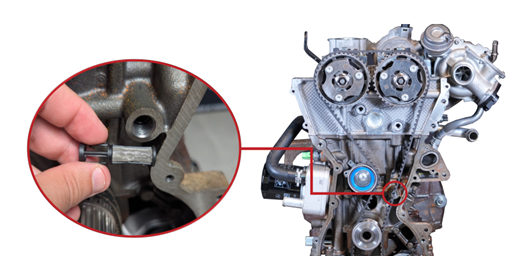
- EcoBoost: Located in the engine block behind the wet belt, there is an Allen screw that must be removed to access a small filter that can block oil flow through the lubrication lines.
-
Engine Ventilation Duct (PCV):
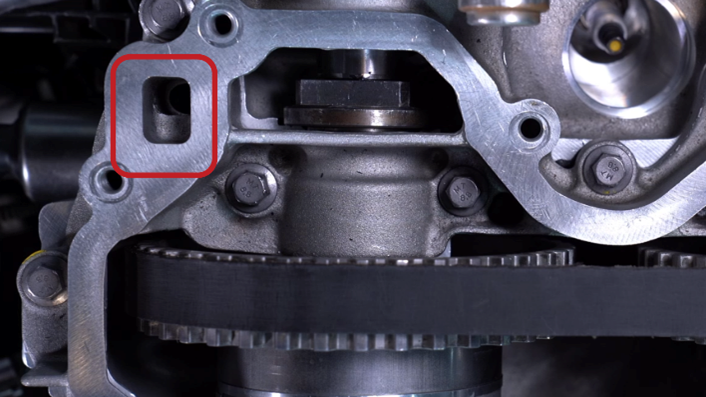
Check for the presence of rubber debris in the indicated duct (specifically for PureTech).
-
ECU Software Update (PureTech):
As specified in PSA technical bulletins, it is mandatory to perform a software download/update of the engine control unit. This update optimizes the monitoring of oil pressure and adjusts the injection strategy to reduce future oil dilution.
CAUTION: Simply replacing the timing belt without cleaning the obstructed lubrication circuit will result in a recurring failure and severe engine damage.
How to Prevent Future Wet Timing Belt Failures
A professional repair is not just about replacing parts; it is about ensuring long-term reliability and protecting the workshop from costly warranties. To prevent premature belt and system failures after the installation, follow these essential guidelines:
-
Workshop Protection Through Complete Gates Kits:
By installing the Gates Super Kit, you ensure that every critical component—including the reinforced belt, tensioners, seals, and one-time-use bolts—is replaced with OE-quality parts. This guarantees that the entire timing system starts a new service life with synchronized tension and material compatibility.
-
Mandatory OE-Approved Oil Management:
The most effective way to prevent future degradation is to strictly adhere to OE oil specifications and service intervals. Advise the customer that using the correct oil is non-negotiable for Belt-In-Oil (BIO) systems.
-
Driving Habits to Avoid Fuel Dilution:
Educate the vehicle owner on the risks of frequent short trips and interrupted regenerations. Recommending a more frequent oil change schedule for urban-driven vehicles can significantly increase the system’s lifespan.
By combining a rigorous cleaning protocol with the comprehensive protection of the Super Kit, you provide a high-quality service that secures the engine’s performance and ensures the long-term satisfaction of your customers.
For more technical details on our specialized solutions, explore the links below:
CONCLUSION
Belt‑in‑Oil (BIO) timing systems deliver significant performance and efficiency benefits, but only when their unique maintenance requirements are fully respected. Fuel dilution, incorrect oil specifications, and neglected service intervals are the primary causes of rapid degradation. By applying rigorous diagnostics, following OE‑approved procedures, and thoroughly cleaning the lubrication system whenever belt wear is detected, workshops can ensure long‑term reliability and protect engines from catastrophic damage.
With the right tools, correct oil and a complete repair approach, technicians can restore BIO systems to optimal performance and provide customers with confidence, safety, and durability for many thousands of kilometres ahead.
FAQ:
1. What is a Belt‑in‑Oil (BIO) timing system?
A BIO timing system uses a rubber belt inside the engine oil to reduce friction and improve efficiency. Because the belt runs in oil, correct lubrication and maintenance intervals are critical to prevent degradation.
2. What causes wet timing belts to fail?
Failure is mainly caused by fuel dilution, incorrect oil specifications, extended service intervals, and frequent short trips that prevent oil from reaching optimal operating temperature.
3. How do you check the belt on a PureTech engine?
PureTech engines allow inspection using the GAT5249 measurement tool through the oil filler neck. If the tool does not fit or oil‑pressure fault codes are present, full system cleaning and replacement are required.
4. Why can’t EcoBoost belts be inspected the same way?
EcoBoost designs use different belt widths and provide no external access, making gauge measurement impossible. Diagnosis relies on service intervals, oil-pressure monitoring, and internal inspection during repair.
5. What must be cleaned or replaced if a BIO belt fails?
Key components include the oil pump strainer, VVT solenoids or phasers, turbo oil feed lines, PCV system, and vacuum pump filter. PureTech engines also require an ECU software update.